
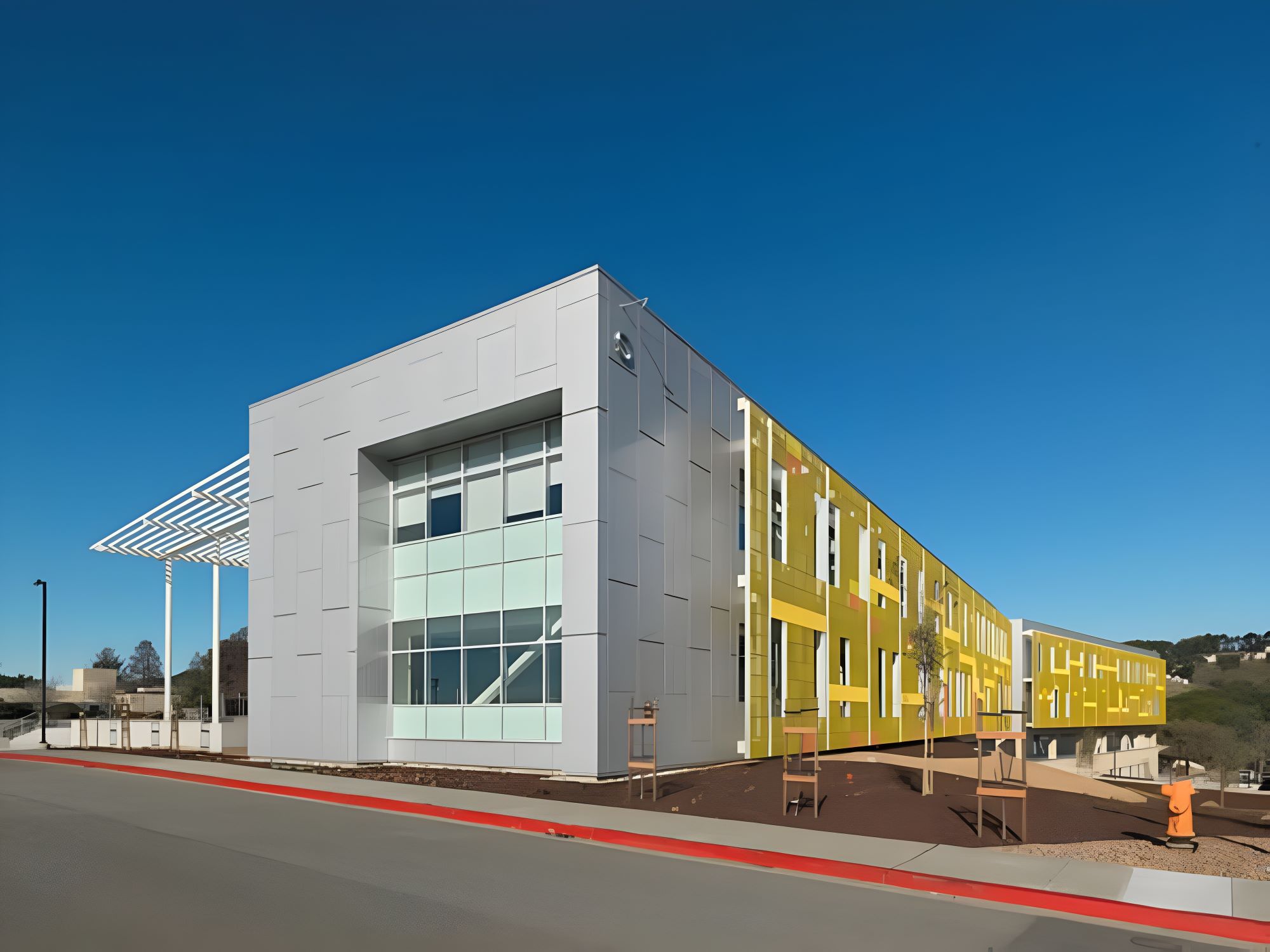
Understanding the Key Decisions Behind Long-term Building Performance and Design Excellence
Selecting the right panel system for an architectural project involves far more than choosing a visually appealing exterior finish. A building’s wall system plays a crucial role in how it performs, ages, and interacts with the environment. Whether the goal is energy efficiency, modern aesthetics, structural integrity, or long-term durability, your choice of cladding directly influences the building envelope’s function. At Bassett Construction, we specialize in panel system installation in Washington, helping clients make informed decisions that elevate both performance and design.
Understanding the Foundations of Modern Panel Systems
Choosing a panel system begins with understanding what these systems are designed to accomplish. Although different panel systems appear similar from the exterior, their internal construction and installation methods greatly affect their performance. In the world of architectural sheet metal, two of the most commonly used solutions are insulated metal panels (IMPs) and composite wall panels. While both can achieve sleek, modern finishes, they function very differently within a building envelope.
What Are Insulated Metal Panels?
Insulated metal panels are prefabricated, all-in-one exterior wall systems that combine multiple building components into a single product. Each panel includes two metal skins bonded to a rigid foam insulation core. This configuration provides structural performance, weather protection, and thermal resistance in one integrated unit. Because of this, IMPs are frequently selected for buildings requiring high energy efficiency, durability, and a controlled indoor environment.
Their factory-controlled manufacturing ensures consistency and reduces installation steps, which helps streamline schedules. For many projects in Washington, IMPs help address thermal performance concerns associated with local climate changes.
What Are Composite Wall Panels?
Composite wall panels—commonly referred to as metal composite material (MCM)—consist of thin metal sheets bonded to a non-metal core. They are known for superior flatness and rigidity, making them ideal for large-format architectural applications where appearance is a critical design element.
Unlike IMPs, composite panels function as part of a larger wall assembly. They typically serve as the exterior finish layer in a rainscreen system, which requires additional framing, insulation, air barriers, and moisture-management components. The tradeoff for this more complex installation is exceptional design flexibility and the ability to create custom geometries and artistic facades.
Why the Differences Matter
These distinctions affect:
- Aesthetic possibilities
- Installation timelines
- Moisture management
- Energy performance
- Long-term maintenance
- Constructability and sequencing
Understanding these differences ensures that the selected panel system supports the project’s overall architectural and functional goals.
Looking for the Best Panel System Installation Company?
Don’t wait—Contact us today to have the best panel system installation service!
Why Panel System Selection Matters
The decision between IMPs, composite panels, or other architectural metal systems has long-term implications. In Washington, where buildings must withstand moisture, varying temperatures, and seismic activity, the building envelope must be designed with regional conditions in mind. Appropriate panel system selection ensures a project meets code requirements, offers long-lasting performance, and enhances architectural appeal.
Climate and Environmental Performance
Washington’s climate ranges from wet coastal regions to colder mountainous zones. This variability demands exterior systems that can resist moisture, control vapor transmission, and manage heat transfer. For any reliable panel system installation in Washington, choosing the right materials is essential to long-term performance. Insulated metal panels offer strong thermal efficiency due to their continuous insulation, while composite wall panels allow a rainscreen approach that excels in moisture-heavy environments when properly designed.
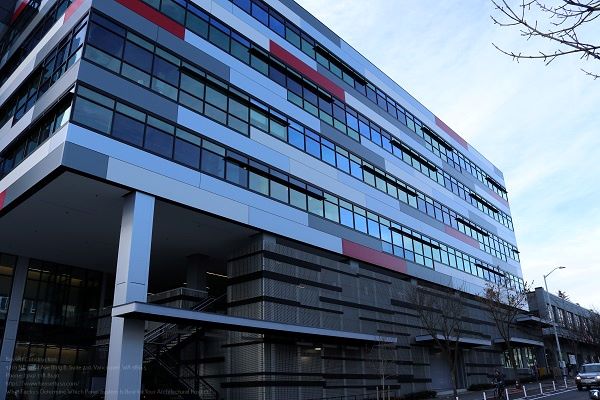
Panel systems must adapt to:
- Seasonal temperature swings
- High humidity and precipitation
- Freeze-thaw cycles
- Coastal corrosion influences
- Wind and seismic activity
These considerations guide whether a project benefits more from integrated insulation or a multilayered rainscreen design.
Architectural Goals and Aesthetic Impact
A building’s facade is a defining architectural element. Composite panels support extreme design flexibility, including large-format surfaces, curved forms, intricate geometries, and concealed fastener systems. They are often used when crisp lines, custom shapes, or a signature architectural style are required.
IMPs, while slightly less design-flexible, still offer modern finishes and are ideal for projects prioritizing performance, speed, and uniformity. Bassett Construction’s expertise in architectural metal design ensures each system supports the project’s creative vision.
Longevity and Maintenance Expectations
The long-term behavior of a panel system should influence the design direction. IMPs require minimal ongoing maintenance, thanks to their integrated structure and limited exposed joints. Composite panels may require periodic inspection of joint and fastening systems, as well as caulking, to maintain optimal performance.
Matching the system’s longevity to client expectations ensures the building remains attractive and functional for decades.
Best Practices for Choosing the Right Panel System
Selecting the most suitable panel system involves a thorough evaluation of building performance needs, aesthetic goals, and construction logistics. At Bassett Construction, we guide clients through each step of the decision-making process to ensure the final choice aligns with the project’s goals.
1. Begin With a Comprehensive Building Envelope Assessment
Evaluating the building envelope is the foundation of proper panel system selection. This includes reviewing insulation goals, moisture concerns, vapor movement, and structural support conditions. Identifying these needs early enables an informed comparison of panel system types.
2. Conduct Early Constructability Reviews
Constructability reviews are essential for identifying challenges before construction begins. During these reviews, our team analyzes fastening systems, thermal movement, structural alignment, hoisting requirements, and installation sequencing. Addressing these issues early prevents delays and ensures seamless installation.
3. Consider Material Behavior and Environmental Stress
Metal panels expand and contract with temperature changes. Proper system design must incorporate movement tolerances, joint spacing, fastener spacing, and sealant compatibility. Bassett Construction’s experience with Washington’s climate ensures that materials behave predictably under local environmental conditions.
4. Align the Panel System With Architectural Intent
When architectural expression is a priority, composite wall panels offer unmatched options. For performance-driven designs—such as industrial facilities, educational buildings, or commercial properties—insulated metal panels deliver superior efficiency and durability.
5. Partner With Experienced Building Envelope Consultants
Working with professional consultants ensures that insulation, vapor control, structural support, and drainage are all coordinated. This expertise reduces risks, accelerates construction, and enhances building longevity. Bassett Construction’s building envelope consultants guide clients through these technical decisions with clarity and precision.
Partner With Experts for Successful Panel System Installation
Selecting the right panel system is one of the most critical choices in any architectural project, influencing energy performance, structural integrity, design flexibility, and long-term durability. With Bassett Construction’s expertise, clients can navigate these decisions confidently, ensuring their building envelope is designed and installed to the highest standard. For professional panel system installation in Washington, contact our team today for a consultation. Bassett Construction delivers outstanding craftsmanship, innovation, and precision on every project.
Other Construction services we provide
- Custom Fabricated Facades in Washington: We design and fabricate unique, custom facades that transform a building’s exterior into a work of art, combining sleek design with structural integrity.
- Architectural Metal Design in Washington: We specialize in creating innovative and visually stunning metal enclosures and features that elevate the aesthetics and functionality of your building.
- Building Envelope Consultants in Washington: Our expert team provides comprehensive guidance and solutions for your building’s exterior, ensuring superior performance, durability, and weatherproofing of critical structures.
Looking for the Best Panel System Installation Company?
Don’t wait—Contact us today to have the best panel system installation service!
FAQs About Panel System Installation in Washington
Connect With Us
Phone: (360) 718-8640
Location: 9210 NE 62nd Ave Bldg B, Suite 210, Vancouver, WA 98665